
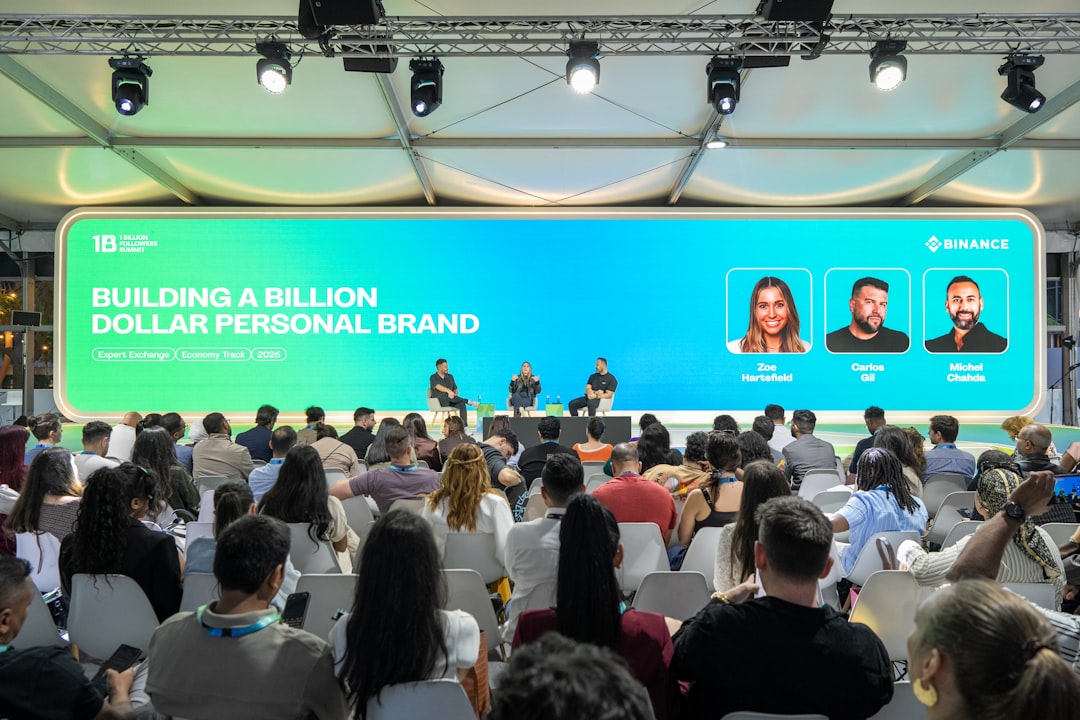
In a crowded freelance marketplace, your personal brand is what sets you apart. Without a strong brand, you risk blending in with countless other freelancers, making it hard to attract premium clients. Many freelancers focus solely on their skills, but they forget that clients hire people, not just services. This guide provides a step-by-step framework to define, build, and promote a personal brand that resonates with your target audience and helps you consistently win high-quality projects.
What Is a Personal Brand?
Your personal brand is the unique combination of skills, experience, personality, and values that you bring to the table. It’s how clients perceive you before they even speak to you. A strong personal brand communicates who you are, what you stand for, and why someone should hire you over the competition.
For freelancers, your brand isn’t just a logo or a tagline—it’s the entire experience clients have when interacting with you. This includes your website, social media profiles, portfolio, communication style, and even how you handle feedback. When you build a cohesive brand, you become memorable and trustworthy.
Why Your Personal Brand Matters as a Freelancer
In the freelance world, you are your own marketing department. A well-crafted personal brand helps you attract the right clients, command higher rates, and build a reputation that leads to referrals. According to a study by LinkedIn, 70% of professionals say personal branding has helped them advance their careers. For freelancers, this translates directly into more projects and better opportunities.
Your brand also acts as a filter. When you clearly articulate your niche and values, you naturally repel clients who aren’t a good fit—saving you time and frustration. Conversely, you attract clients who appreciate your expertise and are willing to pay for it. This isn’t about being the best; it’s about being the best fit for your ideal client.
Additionally, a strong brand gives you leverage in negotiations. When clients perceive you as an authority, they are less likely to haggle on rates. To further protect your business, always use clear contracts. For reliable contract templates, check out ContractFixPro.com to ensure your agreements are professional and legally sound.
Define Your Brand Identity
Before you start creating content or posting on social media, you need a clear brand identity. Ask yourself these questions:
- Who is your target client? Define their industry, company size, and pain points.
- What is your unique value proposition (UVP)? What do you do better than anyone else?
- What are your core values? Integrity, creativity, reliability—pick three that resonate.
- What personality do you want to convey? Professional, friendly, innovative, or authoritative?
Once you have answers, create a brand statement of 1-2 sentences that encapsulates who you are and what you offer. For example: “I help B2B SaaS companies create content that drives leads and builds thought leadership.” This statement will guide all your branding efforts.
Visual Identity
Your visual identity includes your logo, color palette, fonts, and imagery. Consistency across all platforms is key. Use tools like Canva to design professional graphics. If you’re not a designer, invest in a simple logo from a freelancer on platforms like 99designs. Your visual brand should reflect your personality and appeal to your target audience.
Build Your Online Presence
Your online presence is the digital storefront of your freelance business. Start with a professional website that showcases your portfolio, services, testimonials, and a clear call-to-action. Make sure it’s mobile-friendly and loads quickly. Include a blog section to demonstrate your expertise and improve SEO.
LinkedIn is non-negotiable for freelancers. Optimize your profile with a professional photo, a compelling headline (not just “Freelancer” but e.g., “Copywriter for SaaS Brands”), and a detailed summary that tells your story. Publish articles and share insights regularly to build authority.
Choose one or two social media platforms where your target clients hang out. For B2B freelancers, LinkedIn and Twitter are great. For creative fields, Instagram or Dribbble may work better. Post consistently with valuable content, not just promotional posts. Engage with others by commenting and sharing their work.
For a deeper dive into portfolio creation, read our guide on building a freelance portfolio.
Content Marketing Strategy
Content marketing is one of the most effective ways to build your brand. By sharing valuable content, you demonstrate expertise and stay top-of-mind with potential clients. Consider these content types:
- Blog posts: Write about common client challenges and how you solve them.
- Videos: Short tips or behind-the-scenes glimpses work well on LinkedIn and YouTube.
- Podcasts: Interview industry peers to expand your network.
- Newsletters: Build an email list and send weekly insights.
Repurpose content across platforms. For example, turn a blog post into a LinkedIn article, a Twitter thread, and a video script. Consistency matters more than frequency—commit to a schedule you can maintain. Use tools like Buffer or Hootsuite to schedule posts.
Track what resonates with your audience and double down on those topics. Also, leverage user-generated content: ask happy clients for testimonials or case studies. Social proof amplifies your brand significantly.
Networking and Building Relationships
Your personal brand isn’t built in isolation—it’s shaped by the relationships you cultivate. Networking should be strategic: focus on connecting with people who can refer you, hire you, or collaborate with you. Attend industry conferences, webinars, and local meetups. Online, join relevant LinkedIn groups and participate in Twitter chats.
When networking, prioritize giving over taking. Share others’ work, offer help without expecting immediate returns, and follow up with new contacts within 48 hours. A simple “Great meeting you, here’s how I think we could collaborate” goes a long way.
Also, nurture relationships with past clients. Send check-in emails, share valuable resources, and ask for referrals. A satisfied client is your best brand ambassador. For tips on finding new clients, check out our article on how to find freelance clients.
Measure Your Brand’s Impact and Evolve
Building a personal brand is an ongoing process. Regularly assess how your brand is performing. Monitor metrics such as:
- Website traffic (especially to your portfolio and contact page)
- Social media engagement (likes, shares, comments)
- Inquiry rates from your branding efforts
- Client feedback on why they hired you
Use tools like Google Analytics and LinkedIn analytics to track progress. Don’t be afraid to pivot if something isn’t working. Your brand should evolve as you gain new skills and as market demands change.
Remember, authenticity is your greatest asset. Clients can spot insincerity from a mile away. Stay true to your values and continuously deliver high-quality work. Over time, your personal brand will become your most powerful marketing tool.