
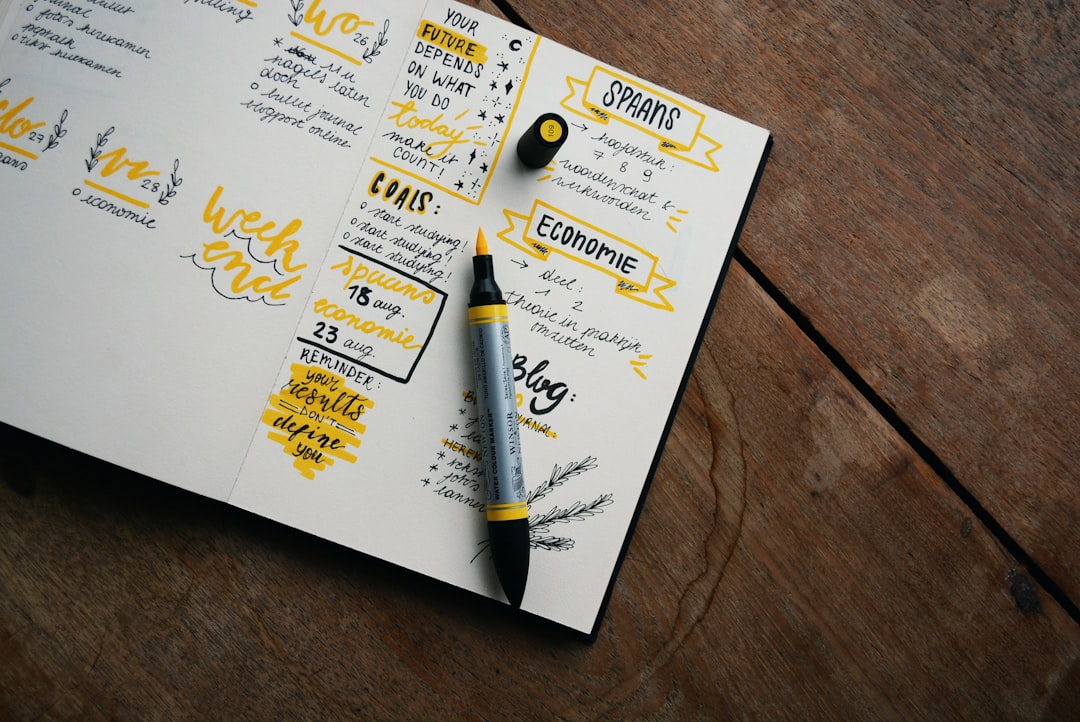
Starting a freelance business without a plan is like navigating a ship without a compass. Many freelancers jump into client work without a clear roadmap, leading to inconsistent income, burnout, or missed opportunities. A freelance business plan doesn't need to be a 50-page document—it can be a simple, actionable guide that outlines your goals, target market, finances, and marketing strategy. In this article, we'll break down exactly how to create a freelance business plan that helps you attract better clients, manage your cash flow, and scale your business over time.
Why You Need a Business Plan as a Freelancer
Many freelancers think business plans are only for startups seeking investors. But a freelance business plan is a powerful tool for independent contractors too. It forces you to think strategically about your direction, identify potential pitfalls, and set measurable milestones. Without a plan, you're reacting to whatever comes your way instead of proactively building the business you want.
A business plan also helps you stay focused on your most profitable activities. When you have clear revenue goals and client acquisition strategies, you're less likely to waste time on low‑value tasks. Additionally, a plan can help you secure financing or win high‑value contracts by demonstrating professionalism. For freelancers who want to scale, growing your business requires knowing where to invest your time and money.
Finally, having a written plan improves your mindset. It turns freelancing from a gig into a legitimate business, which boosts your confidence when pricing your services or negotiating with clients. As you build your plan, remember that it's a living document—update it as your business evolves.
Define Your Vision and Goals
The first step in your freelance business plan is to clarify your vision. Ask yourself: Where do you want to be in one, three, or five years? Do you want to remain a solo operator, or eventually hire subcontractors? Your vision should be specific, measurable, and time‑bound. For example, “Earn $100,000 annually by 2028 while working 30 hours per week.”
Next, break down your vision into shorter‑term goals. These might include monthly income targets, number of clients to acquire, or skills to develop. Use the SMART framework—Specific, Measurable, Achievable, Relevant, Time‑bound. Write down your top three goals for the next year and the key actions needed to achieve them.
Also consider your personal life: How do you want to balance work and family? Your business plan should reflect your ideal lifestyle, not just financial benchmarks. Including personal values ensures your business supports your overall well‑being. Write a mission statement that encapsulates your purpose and values—this will guide decisions when opportunities arise.
Market Analysis and Target Clients
Understanding your market is critical for attracting the right clients. Start by identifying your niche—the specific industry or problem you solve. Narrowing your focus makes marketing easier and positions you as an expert. For example, instead of “graphic designer,” be “graphic designer for health and wellness startups.”
Research your competition: Who offers similar services? What are their pricing and client reviews? This helps you find gaps you can exploit. Also define your ideal client profile (ICP): industry, company size, budget, pain points. Create a fictional client persona to guide your messaging. Knowing exactly who you serve allows you to tailor your portfolio and proposals.
Use tools like LinkedIn and industry forums to see what challenges your target audience faces. Then craft your services to address those specific needs. For more tips on finding clients, check out our guide on how to find freelance clients. Also, understanding market rates is essential when setting prices—read how to set freelance rates to stay competitive.
Financial Planning
Financial clarity is the backbone of a sustainable freelance business. Start by calculating your baseline expenses—personal and business. Include rent, utilities, software subscriptions, marketing costs, and taxes. Then determine your desired monthly income and add a buffer for irregular expenses. Your freelance rates should cover these costs plus a healthy profit margin.
Create a revenue forecast for the next 12 months. Be conservative: estimate how many projects you can realistically secure each month. If you charge $1,500 per project and want $6,000 per month, you need four projects monthly. Also account for seasonal fluctuations and late payments. A good rule is to have three months of savings as a cash reserve.
Track every expense and income category. Use accounting software or a simple spreadsheet. Periodically review your profit margins per project and adjust pricing or scope accordingly. For a deeper dive into managing finances, see our freelance expense tracking guide. If you need to hire subcontractors, learn about how to pay contractors to stay compliant.
Marketing and Client Acquisition
Your freelance business plan must include a marketing strategy that attracts your ideal clients. Start by defining your unique value proposition—what makes you different from competitors. Then choose channels that reach your target audience. Common channels include LinkedIn outreach, content marketing (blogging, videos), referrals, and freelance platforms like Upwork or Toptal.
Create a marketing calendar with consistent activities: weekly social media posts, monthly newsletters, quarterly portfolio updates. Set specific goals, such as “send 10 personalized proposals per week” or “gain 50 new LinkedIn connections monthly.” Track conversion rates to see what works best.
Don't neglect the power of referrals. Ask satisfied clients for testimonials and introductions. Offer a referral discount to encourage word‑of‑mouth. Also, build an online presence with a professional website and portfolio. For help, read our freelance portfolio guide. And to scale your marketing efforts, check out how to scale your freelance business.
Operations and Workflow
Efficient operations keep your freelance business running smoothly. Document your workflows for common tasks: client onboarding, project management, invoicing, and communication. Use tools like project management software, time trackers, and appointment schedulers to automate repetitive tasks.
Establish a client intake process that sets clear expectations from the start. Send a welcome packet with your terms, timelines, and communication channels. For contract templates, consider using ContractFixPro to create professional agreements that protect your rights and define scope.
Plan for growth: If you plan to scale, outline how you'll outsource or hire virtual assistants. Set up systems for quality control and client feedback. Also, include contingency plans for emergencies (e.g., illness, tech failure). Finally, schedule regular reviews of your operations to identify bottlenecks and improve efficiency.
Putting It All Together
Now it's time to compile your freelance business plan into a single document. Use a simple format: executive summary, vision & goals, market analysis, financial plan, marketing strategy, and operations. Keep it concise—10‑15 pages max. But don't let perfectionism delay you; start with a one‑page plan and expand as you go.
Review your plan monthly to track progress and adjust tactics. Celebrate small wins, like landing a new client or hitting a revenue milestone. Your plan is meant to be flexible—if something isn't working, pivot. Share your plan with a mentor or fellow freelancer for accountability.
Finally, remember that your freelance business plan is a tool for success, not a burden. It turns dreams into actionable steps and gives you confidence to negotiate better projects and rates. Start writing yours today and watch your freelance business grow.